

On demand coaching is defined as flexible, personalized expert guidance delivered exactly when a business owner needs it, without fixed schedules or long-term commitments. For pet care business owners running dog daycares, boarding facilities, grooming studios, or training operations, this model replaces the old “wait for your monthly call” approach with real-time support tied to real decisions. The industry term for this format is “just-in-time coaching,” and it is built around short, high-impact sessions that produce specific action plans. Thedoggurus has built its entire coaching philosophy around this model, recognizing that pet business owners face urgent decisions daily and cannot afford to wait weeks for guidance. Whether you are managing a difficult staff situation, rethinking your pricing, or planning a service expansion, coaching sessions on demand give you expert input at the moment it matters most.
What is on demand coaching and how does it work?
On demand coaching is a structured support model where business owners access a coach for short, focused sessions tied to specific challenges. Unlike traditional coaching retainers with fixed weekly calls, this format puts you in control of when and how you engage. Just-in-time coaching sessions are typically 30 minutes long, built around urgent decisions rather than general progress reviews. That brevity is intentional. Thirty minutes forces both you and your coach to stay focused on the highest-priority problem in front of you.
The model differs from consulting in a critical way. Coaching empowers you to diagnose problems and implement solutions yourself, building your long-term judgment rather than creating dependence on outside advice. A consultant tells you what to do. A coach helps you figure it out, so you can handle the next version of that problem on your own. For pet care business owners who wear every hat in the building, that distinction matters enormously.

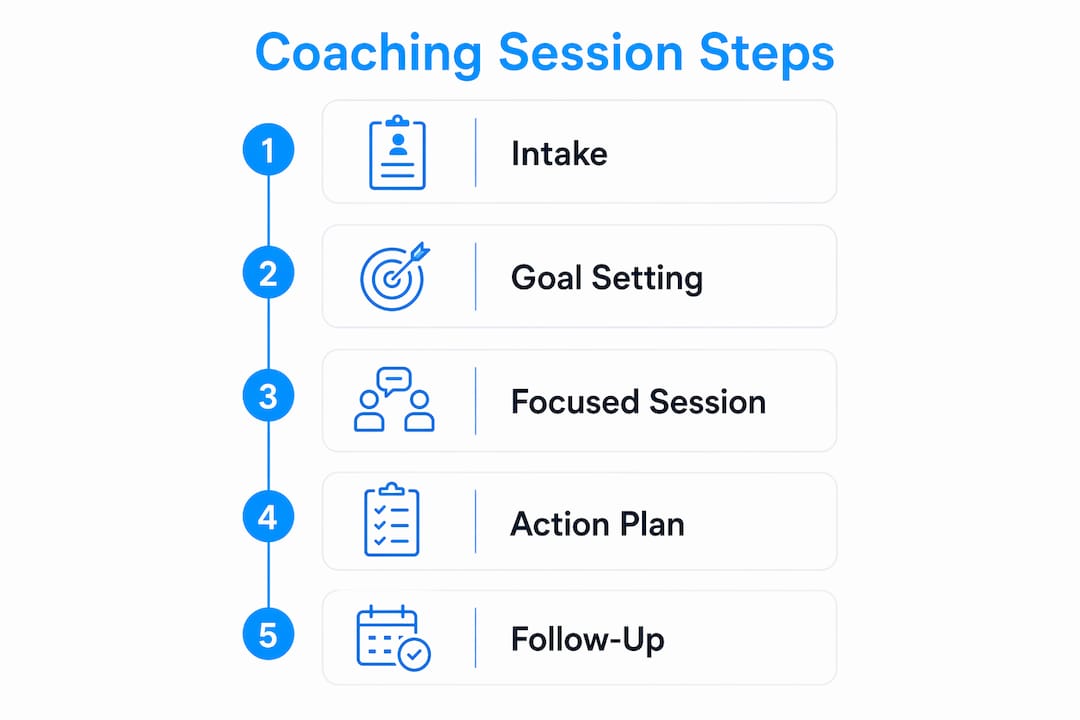
Access typically happens through a platform, a direct scheduling link, or a subscription portal. Most engagements begin with a brief kickoff call to align goals and set the coaching relationship up for real business impact. From there, you book sessions as needed within your plan’s allotted hours or access windows.
How are coaching sessions structured and priced?
Pricing for subscription-based coaching typically ranges from $249 to $495 per month, depending on session frequency and coach experience level. That range covers most entry-level to mid-tier flexible coaching programs available in 2026. Higher-tier engagements with senior coaches or specialized industry expertise can exceed that range, but most pet care business owners find the mid-tier model delivers strong value.
The table below shows the most common session formats and what each delivers.
| Format | Session length | Best for | Typical monthly cost |
|---|---|---|---|
| Single session bundle | 30 minutes | One-off urgent decisions | $150–$250 per session |
| Monthly retainer (basic) | 2 sessions/month | Ongoing operational support | $249–$349/month |
| Monthly retainer (growth) | 4 sessions/month | Active business scaling | $350–$495/month |
| Platform access model | Async + live sessions | Teams needing 24/7 guidance | Varies by platform |
On-demand coaching engagements operate on a “bundle of hours” or “platform access” model rather than unlimited access. That structure keeps sessions focused and prevents the drift that happens when coaching time feels infinite. You get a defined number of touchpoints, which pushes you to prepare and use each one well.
Most engagements include a short onboarding or intake call at the start. This kickoff phase sets your goals, identifies your biggest operational gaps, and aligns the coaching relationship with your actual business needs. Skipping this step is one of the most common mistakes new coaching clients make.
How should you prepare for a coaching session?
Preparation is the single biggest factor separating owners who get real results from those who leave sessions feeling vague. Effective coaching requires you to bring specific, high-stakes scenarios to each session, not open-ended questions about “growing the business.” The more concrete your challenge, the more concrete your action plan will be.
Strong preparation looks like this:
- Write down the exact problem before the session. “My lead kennel tech keeps undermining new hires” is better than “I have a team culture issue.”
- Identify what you have already tried. Your coach needs context to give you a fresh angle, not repeat advice you have already tested.
- Know your desired outcome. Do you want a decision made, a script for a hard conversation, or a framework for evaluating options?
- Bring numbers when relevant. If the issue involves pricing, staffing ratios, or revenue, have the figures ready.
- Limit each session to one or two problems. Trying to cover five topics in 30 minutes produces nothing actionable.
Good preparation topics for pet care business owners include team management conflicts, client complaint escalations, pricing restructures, service launch decisions, and staff onboarding gaps. For a deeper look at how onboarding connects to team performance, Thedoggurus covers staff onboarding practices in detail.
Pro Tip: Never use a coaching session to vent without a goal. Venting has its place, but a 30-minute paid session should end with at least one specific next action you can take before the next call.
How to integrate coaching into your pet care business operations
Coaching works best as a regular operational tool, not an emergency measure you reach for when things fall apart. Early intervention through coaching prevents costly escalations and sharpens your leadership judgment before problems grow into crises. The owners who get the most from virtual coaching services are the ones who treat it like a standing business function, not a one-time fix.
Here is a practical process for building coaching into your weekly workflow:
- Set a recurring review window. Block 15 minutes every Monday to identify your top challenge for the week. This becomes the fuel for your next session.
- Book sessions proactively, not reactively. Schedule your next session before you need it, so you are not scrambling when a crisis hits.
- Assign follow-through tasks after every session. Write down the one or two actions you committed to, and track them before the next call.
- Share relevant session insights with your leadership team. Coaching should improve your whole operation, not just your personal thinking.
- Review your goals quarterly. Adjust your coaching focus as your business priorities shift across the year.
Consistent accountability loops between coach and client significantly increase the effectiveness and sustainability of coaching outcomes. That means your coach checks in on what you committed to, and you report back honestly. This loop is what separates coaching from a conversation. For pet care owners building stronger teams, Thedoggurus also addresses leadership development as part of long-term business growth.
Pro Tip: Treat your coach as a strategic partner, not a problem-solver for hire. Share your 90-day business goals at the start of every engagement so your coach can connect each session back to where you are trying to go.
How do you choose the right coaching service for your pet care business?
The right coaching service combines verified credentials, industry-relevant experience, and a delivery model that fits your schedule. Coach credential verification, such as ICF PCC or MCC certifications, is a reliable baseline for quality. These credentials signal that a coach has completed formal training, logged supervised hours, and passed ethical standards reviews. They do not guarantee a perfect fit, but they filter out unqualified providers.
Industry fit matters just as much as credentials. Industry-aware coaches provide nuanced advice tailored to the specific operational challenges of pet care businesses, which generic business coaches simply cannot replicate. A coach who has never thought about off-leash play safety, kennel capacity ratios, or pet parent communication will give you generic advice that does not translate to your floor.
The table below outlines the key criteria to evaluate when selecting a coaching service.
| Criteria | What to look for | Red flag |
|---|---|---|
| Credentials | ICF PCC or MCC certification | No verifiable credentials listed |
| Industry knowledge | Pet care or service business experience | Only corporate or executive background |
| Session format | 30-minute on-demand or flexible scheduling | Fixed weekly calls only |
| Pricing transparency | Clear monthly or per-session rates | Vague “contact for pricing” only |
| Onboarding process | Kickoff call and goal-setting phase | Jumps straight into sessions |
| Accountability structure | Follow-up tracking and session notes | No structure between sessions |
Virtual coaching is not inferior to in-person sessions. It increases scheduling flexibility, expands your access to expert coaches regardless of geography, and often improves session completion rates. For pet care owners managing unpredictable daily operations, the ability to connect with a coach from your office, your car, or between client drop-offs is a real operational advantage. Pet care businesses investing in their digital presence alongside coaching can also benefit from resources like veterinary and pet business SEO to grow their client base in parallel.
Key Takeaways
On demand coaching delivers the most value when pet care business owners prepare specific challenges, integrate sessions into regular workflows, and select coaches with verified credentials and industry-relevant experience.
| Point | Details |
|---|---|
| Session structure | Most sessions run 30 minutes and focus on one urgent, specific business challenge. |
| Pricing range | Subscription-based coaching typically costs $249–$495 per month in 2026. |
| Preparation is critical | Bring a specific problem and a desired outcome to every session for real results. |
| Integration beats reaction | Coaching works best as a weekly operational habit, not a crisis-only tool. |
| Credentials and fit matter | Look for ICF-certified coaches with direct pet care or service business experience. |
Why most pet care owners underuse coaching
I have worked with hundreds of pet care business owners, and the pattern is consistent. Owners sign up for coaching when something goes wrong. A key employee quits, a client complaint goes viral, or revenue drops in a slow quarter. They book a session, get solid advice, feel better, and then do not book again until the next crisis. That is the least effective way to use this tool.
The owners who build real momentum treat coaching like a standing meeting with their most trusted advisor. They show up with a prepared agenda, they follow through on commitments, and they bring their coach into decisions before those decisions become problems. That proactive posture is what separates businesses that grow steadily from ones that lurch from fire to fire.
The other mistake I see constantly is expecting the coach to set the agenda. Clients get the most value when they arrive prepared with specific challenges. Your coach is not there to guess what you need. They are there to help you think more clearly about what you already know is hard. The more specific you are, the faster you move.
Coaching technology is also changing fast. AI-powered platforms now offer between-session accountability, progress tracking, and resource libraries that extend the value of each live session. Thedoggurus has built exactly this kind of system for pet care owners, combining expert coaching with AI tools that keep you accountable around the clock.
— Oliver
Thedoggurus coaching programs for pet care business owners
Pet care business owners who want expert guidance without the wait now have a purpose-built option. Thedoggurus combines industry-specific coaching, expert-led courses, and AI-powered business tools in one platform designed for dog daycare, boarding, grooming, and training professionals.
Every coaching program at Thedoggurus is built by people who have actually run pet care businesses. That means the advice you get is grounded in real operational experience, not generic business theory. Whether you need support with team management, pricing, safety protocols, or growth planning, the owner coaching programs at Thedoggurus are built to meet you where you are. Visit Thedoggurus to explore your options and find the coaching format that fits your business right now.
FAQ
What is on demand coaching?
On demand coaching is a flexible support model where business owners access short, focused coaching sessions as needed, without fixed weekly schedules. Sessions typically run 30 minutes and center on specific, urgent business challenges.
How much does on demand coaching cost?
Subscription-based coaching programs typically range from $249 to $495 per month, depending on session frequency and coach experience. Single-session bundles are also available for owners who need occasional support.
Is virtual coaching as effective as in-person coaching?
Virtual coaching delivers the same outcomes as in-person sessions while removing scheduling and geographic barriers. For pet care business owners with unpredictable daily operations, the flexibility of virtual access often makes sessions more consistent.
How do I get the most out of a coaching session?
Bring one or two specific, high-stakes challenges to each session with a clear desired outcome. Vague questions produce vague answers. Specific problems produce specific action plans.
Do I need a coach with pet care industry experience?
Industry-specific coaching knowledge significantly increases the relevance and impact of advice for pet care business owners. A coach familiar with pet care operations will give you guidance that translates directly to your floor, your team, and your clients.
Recommended
- Building a Support Team for Your Pet Care Business – The Dog Gurus
- Adding Dog Training Revenue To Your Pet Care Business – The Dog Gurus
- Nurturing Thought Leadership in Your Pet Care Business: Empowering Your Team to Thrive – The Dog Gurus
- First Aid and CPR Training for Your Pet Business – The Dog Gurus