

Starting a pet grooming business means mastering four core disciplines: technical grooming skills, the right business model, legal compliance, and a pricing strategy that actually covers your costs. The pet grooming industry rewards operators who get these fundamentals right from day one. Skip any one of them and you will either struggle to attract clients, face regulatory fines, or burn out within a year. This guide walks you through each stage with the specifics you need to launch confidently and grow sustainably.
How to start a pet grooming business: skills and training first
Grooming skill is the foundation your entire business rests on. No amount of marketing fixes a bad haircut or an injured dog.
Formal grooming training typically lasts 3–6 months and costs $5,000–$15,000. That investment buys you hands-on practice with real dogs, breed-specific cutting techniques, and the animal handling basics that keep pets calm and safe on the table. Grooming schools also teach you how to recognize skin conditions, matting severity, and coat types, knowledge that directly affects how you price each appointment.
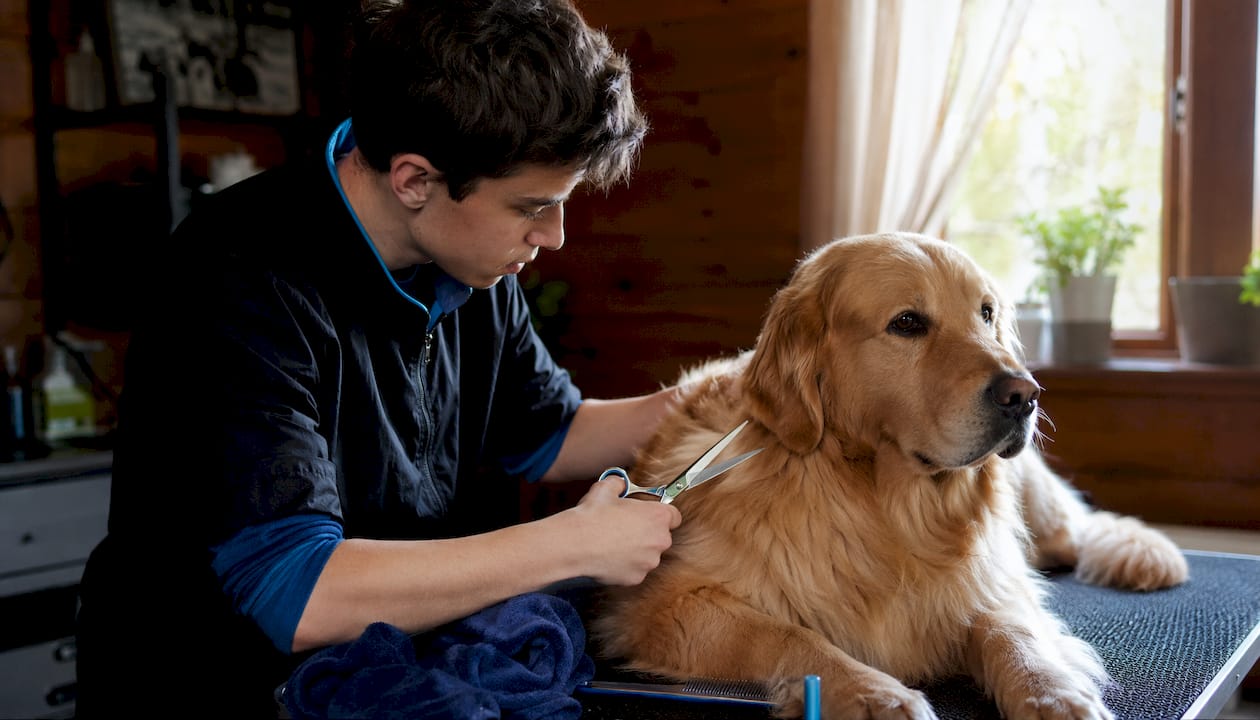
An apprenticeship is a legitimate alternative. Working under an experienced groomer costs less upfront and gives you business context that school alone cannot provide. You see how a real shop manages client flow, handles difficult dogs, and sets prices. The tradeoff is that apprenticeships vary widely in quality, so vet the mentor carefully before committing.
Certification from organizations like the National Dog Groomers Association of America (NDGAA) or the International Professional Groomers (IPG) builds client trust. Certification is not legally required in most US states, but it signals professionalism and can justify higher prices. Pair certification with first aid and CPR training for pets. An emergency on the table is rare, but being prepared protects both the animal and your reputation.
- Practice on friends’ and family members’ dogs before charging full price
- Learn breed-specific cuts for the most common breeds in your area (Goldendoodles, Poodles, Shih Tzus)
- Study grooming safety practices before your first paying client
- Take notes on every dog you groom so you build a reference library fast
Pro Tip: Offer discounted “practice grooms” for the first 10–15 dogs you take on. You build skill, get honest feedback, and create your first loyal clients at the same time.
Which business model suits new pet grooming entrepreneurs?
Your business model determines your startup cost, your daily overhead, and how fast you can reach profitability. Choose based on your budget and local market, not on what looks exciting.
| Model | Startup Cost | Key Advantage | Main Risk |
|---|---|---|---|
| Home-based salon | Lowest | Minimal overhead | Zoning restrictions |
| Chair rental in a salon | Low | No lease commitment | Limited control |
| Mobile grooming van | $30,000–$100,000+ | Premium pricing, convenience | High upfront cost |
| Full storefront | Highest | Growth capacity | Lease and staffing costs |
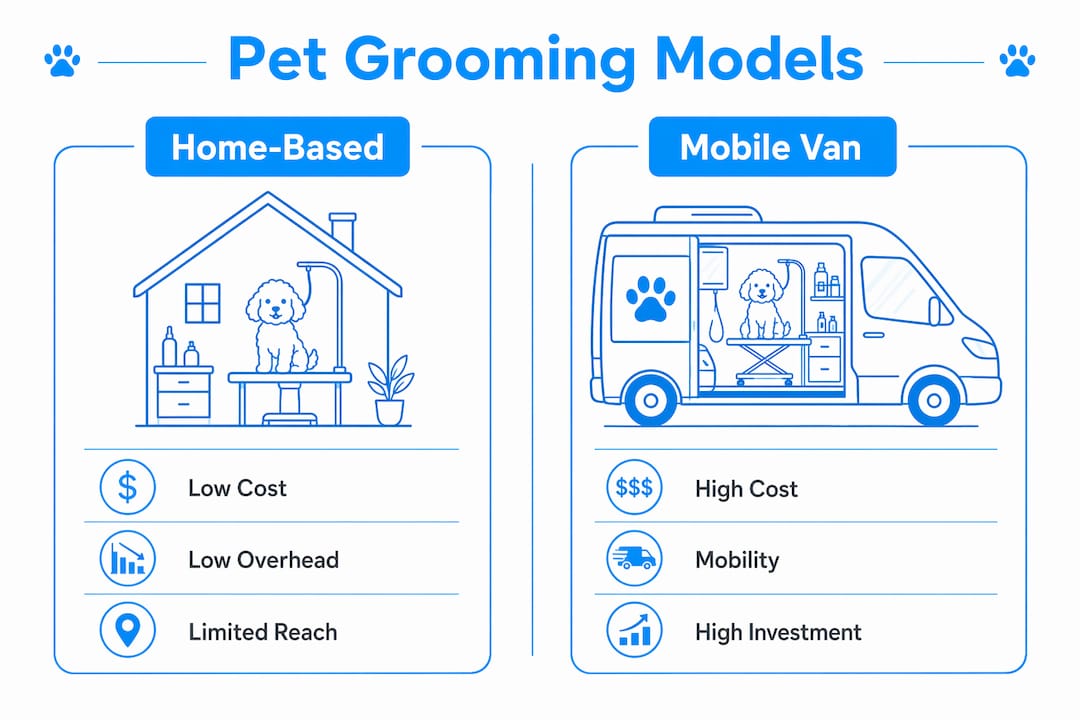
A home-based salon is the most practical starting point for most new groomers. You convert a spare room, garage, or basement into a grooming space and keep overhead near zero. The catch is zoning. Many residential zones prohibit commercial animal services, and failing to verify zoning before you launch can trigger a conditional use permit process that adds $500–$2,000 in fees and 60–120 days of delay. That is a painful setback before you have earned your first dollar.
Mobile grooming vans require a significant investment ranging from $30,000 to over $100,000 including the vehicle and full outfitting. The upside is real: mobile groomers command premium prices because they bring the salon to the client’s driveway. They also face no lease costs and can serve multiple neighborhoods. If you have the capital, mobile grooming is one of the fastest paths to a strong profit margin.
Pro Tip: Before signing any lease or converting your garage, call your city clerk or local animal control office directly. Ask specifically whether a home-based pet grooming operation is permitted in your zone. Zoning verification takes one phone call and can save you months of headaches.
What legal and insurance requirements must you fulfill to operate?
Legal compliance is not optional. Getting it wrong costs far more than getting it right from the start.
The legal checklist for a pet grooming business in the US includes:
- Business license: Required in virtually every city and county. File with your local government before you open.
- LLC formation: An LLC separates your personal assets from business liability. It costs $50–$500 to file depending on your state.
- Commercial animal facility or kennel permit: Many states and counties require this even for grooming-only operations. Check with your county clerk.
- Zoning compliance: Confirm your location is approved for commercial animal services before investing in equipment or a lease.
- Health and sanitation inspection: Some jurisdictions require a facility inspection before issuing your permit.
- Animal care liability insurance: Liability insurance costs $300–$600 per year and covers injuries, accidents, or property damage involving a client’s pet.
Most US states do not require a personal grooming license, but that does not mean you can operate without permits. Commercial animal facility permits, health department compliance, and liability insurance are non-negotiable for any professional grooming operation. Skipping them exposes you to fines, forced closure, and personal financial liability.
The insurance piece deserves extra attention. A dog that slips off a table or has an allergic reaction to a product can result in a vet bill that wipes out months of revenue. At $300–$600 per year, liability insurance is one of the best investments you will make. Check with your local pet care budgeting resources to factor this into your startup costs from day one.
How do you set profitable prices and attract your first clients?
Pricing is where most new groomers make their biggest mistake. They charge too little, stay fully booked, and still struggle to pay themselves.
The industry standard pricing structure for 2026 runs by dog size:
- Small dogs (under 20 lbs): $45–$70 per full groom
- Medium dogs (20–50 lbs): $60–$90 per full groom
- Large dogs (50–90 lbs): $85–$120 per full groom
- Extra-large dogs (over 90 lbs): $110–$170 per full groom
Size alone does not tell the full story. Pricing by coat type and temperament reflects the true effort involved. A matted Doodle takes three times longer than a clean-coated Beagle of the same weight. Charge accordingly or you will lose money on your most time-consuming appointments.
Underpricing is the main reason fully booked groomers still struggle financially. Calculate your true costs: products, equipment depreciation, insurance, utilities, and your own hourly rate. Set prices above that floor, then raise them as your books fill. A price increase signals market readiness and filters out price-sensitive clients who tend to be the most demanding.
For client acquisition, before-and-after photos on Instagram and Facebook are the single most effective free marketing tool available to a new groomer. A clean transformation photo stops the scroll and builds trust instantly. Pair that with a Google Business Profile so local searches find you. Referral partnerships with vets and boarding facilities also drive consistent new business. Offer a small referral fee or reciprocal promotion and you create a steady pipeline without paid advertising.
Pro Tip: Add a membership or prepaid package option early. Clients who pay upfront show up reliably and provide predictable cash flow. Thedoggurus has a detailed breakdown of how to add a membership program to your pet business.
For digital marketing that reaches pet owners searching online, pet care SEO services can help your grooming business appear in local search results before your competitors do.
What operational tools help run your grooming business smoothly?
Good tools do not replace skill, but they protect your revenue and your sanity.
The operational stack for a grooming business does not need to be complex. You need four things working well:
- Online booking with instant confirmation: 30–40% of bookings are lost without an online appointment option. Clients book at 10 PM when you are not answering the phone.
- Client and pet profiles: Store breed, coat notes, temperament flags, and product sensitivities. This saves time on every repeat visit and prevents mistakes.
- Automated SMS reminders: SMS reminders reduce no-shows by 40–60% and carry a 98% open rate compared to 20% for email. A no-show is pure lost revenue with no way to recover it.
- Simple invoicing: Collect payment at pickup or through your booking platform. Avoid chasing payments after the fact.
Capacity management is the operational decision most new groomers get wrong. A solo groomer realistically handles 5–8 dogs per day. Exceeding that number consistently leads to rushed work, physical strain, and client complaints. Your daily cap should guide your pricing. If you are turning away clients at 6 dogs per day, raise your prices before you hire.
When you are ready to grow, hiring an assistant before adding another groomer is the lower-risk path. An assistant handles bathing, drying, and cleanup, which frees you to groom more dogs per day without sacrificing quality. Fund that hire from existing revenue, not from a loan.
Key Takeaways
Starting a pet grooming business requires verified training, a legally compliant setup, cost-based pricing, and operational tools that protect your revenue from day one.
| Point | Details |
|---|---|
| Train before you charge | Complete formal grooming school or a structured apprenticeship before taking full-price clients. |
| Verify zoning early | Contact your city clerk before investing in equipment or signing a lease to avoid costly permit delays. |
| Get liability insurance | Budget $300–$600 per year for animal care liability insurance before your first appointment. |
| Price above your true costs | Calculate products, time, and overhead, then set prices above that floor and raise them as demand grows. |
| Cap daily appointments | Solo groomers should limit daily bookings to 5–8 dogs to maintain quality and prevent burnout. |
What I have learned from watching groomers succeed and fail
The groomers who struggle most are not the ones who lack skill. They are the ones who undercharge, overbook, and skip the legal groundwork because it feels like a distraction from the actual work.
Pricing is the hardest mindset shift. New groomers feel guilty charging what their time is worth. But a fully booked groomer charging $45 per dog is working harder than one charging $75 and turning away clients. The math is not complicated. What holds people back is the fear that clients will leave if prices go up. Most do not. The ones who do were never going to be your best clients anyway.
The legal piece is simpler than it looks. One afternoon spent filing an LLC, calling your county clerk, and getting a liability insurance quote sets you up properly. Thedoggurus covers the financial planning side of launching a pet care business in detail, and it is worth reading before you spend a dollar on equipment.
The groomers I have seen build genuinely profitable businesses share one habit: they treat capacity as sacred. They know their daily limit, they protect it, and they raise prices instead of adding dogs when demand exceeds supply. That discipline is what separates a sustainable business from a burnout waiting to happen.
— Oliver
Thedoggurus resources to help you launch and grow
Building a grooming business is easier when you have the right tools and guidance from people who have done it before. Thedoggurus combines expert-led content, coaching, and business tools built specifically for pet care professionals.
Whether you are figuring out your first pricing structure or planning your next hire, the Thedoggurus pricing page gives you a clear look at the packages and resources available to support your business at every stage. For groomers setting up their physical operation, the staff products catalog covers the professional equipment you need to run an efficient, safe grooming space. You have put in the work to learn the craft. Thedoggurus helps you build the business around it.
FAQ
How much does a pet grooming business make?
A solo groomer charging current market rates and working a full schedule can generate a strong full-time income, with earnings varying by location, model, and client volume. Mobile groomers typically earn more per appointment due to the convenience premium they command.
Do I need a license to start a grooming business at home?
Most US states do not require a personal grooming license, but you still need a business license, a commercial animal facility permit in many counties, and liability insurance before operating from home.
How long does grooming training take?
Formal grooming school typically lasts 3–6 months. An apprenticeship can take longer but provides real-world business experience alongside technical skill.
What is the cheapest way to start a grooming business?
A home-based salon is the lowest-cost startup path. Verify zoning first, then invest in a grooming table, tub, dryer, and basic tools before spending on marketing or software.
How do I grow a dog grooming business once I am established?
Raise prices as your books fill, add automated SMS reminders to cut no-shows, and hire a bathing assistant before adding a second groomer. Gradual capacity growth funded by existing revenue reduces financial risk.