

How to Break up a Dog Fight
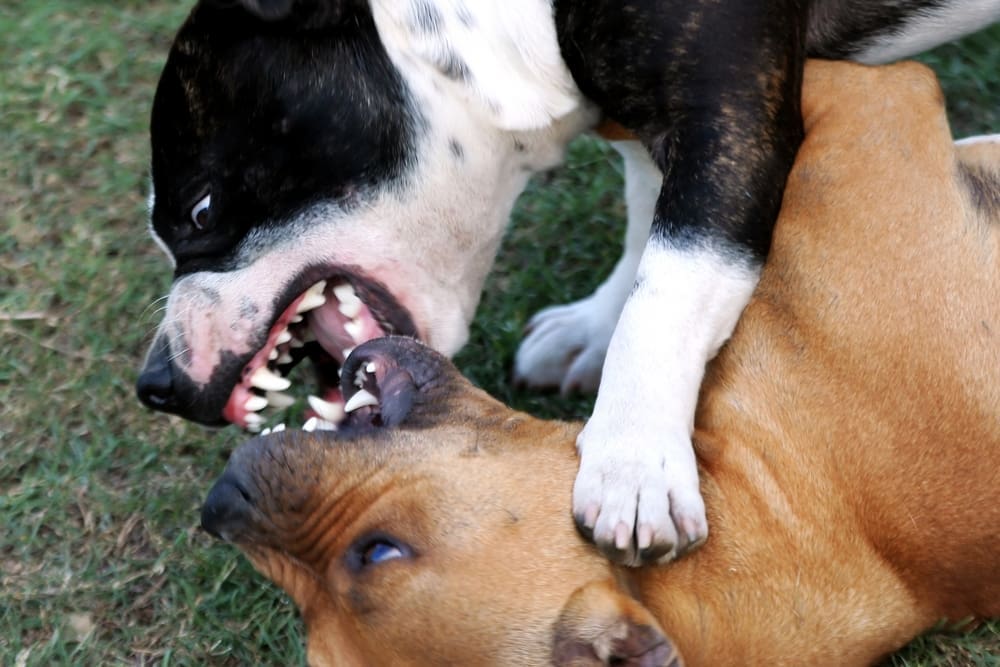
What’s the best way to break up a fight? How do you keep from getting bitten? What do you do after a fight? These are all great questions and are among the top questions that The Dog Gurus get asked. Keep reading to learn some tips and tricks on what to do if you have a fight in your center.
First of all, let’s set the record straight. Fights should be a rare occurrence. If they happen every month, then the first order of business should be to evaluate your screening process and your staff training process. If both of those are top notch, you’re going to have fewer fights. I’m always a little concerned about the businesses who spend more time creating their toolbox for breaking up a fight than they spend on their staff training and assessment process.
Fights should be a rare occurrence. If they happen every month, then the first order of business should be to evaluate your screening process and your staff training process. If both of those are top notch, you’re going to have fewer fights.
But fights are a realistic fear we should all acknowledge. I am equally concerned by pet care operators with a “It could never happen to me” mentality. It can happen to anyone because dogs are dogs. So you need to be prepared.
As you read these guidelines, please understand that The Dog Gurus do not recommend these measures as a normal way of dealing with dogs in off-leash play. We do not recommend physically grabbing dogs or using harsh or physical methods with them. However, when a fight breaks out, we recognize that the goal to break up the fight takes precedence. This is no longer a training situation. It is now a safety issue.
So what do you do when a fight happens?
- Train everyone to respond. A fight sounds different. Any staff member who hears a fight should drop what they are doing and respond to the room where there is a fight.
- Try not to touch the dogs. This is the hardest part of breaking up a fight. Our first instinct is to grab the dogs. However, this puts the staff members at risk of getting bitten. You already have to worry about dog injuries. Try not to add staff injuries on top of it. Rather than grabbing the dogs, try one of these techniques:
- Make a loud sound. The first goal is to get the two dogs fighting to stop fighting. A loud sound can sometimes startle them enough that they will separate. That’s the goal. So using something like an air horn, yelling, or banging stainless steel bowls together might work. Understand that if you use this kind of punishment on a routine basis at your facility (which I don’t recommend), you take away any value it might have in a fight. The idea here is that the dogs are hearing sometime new and startling…not something annoying that they hear all the time.
- Throw something over the dogs or push something in between the dogs. If you have a blanket or some bedding you can throw that over the heads of the dogs fighting. Alternatively, you might try shoving something in between them (a chair, a piece of play equipment, a clipboard, etc). Again, the goal here is to startle them enough to separate.
- Use a deterrent. If you have a water hose you may be able to spray the dogs and cause them to separate. Another option is to use Petsafe Sprayshield Animal Deterrent Spray which is a citronella, based spray you can spray in the face of the dogs.
- If none of the above options work, you may need to grab the dogs as a last resort. If you have to do this, grab the hind legs and lift up and away from your body. Be prepared to let go quickly because the dog may turn around and redirect his aggression to the person.
- Once the dogs separate, throw leashes over their head and take them to a safe area.
- As the actions listed in #2 are taking place, others who have entered the room should be leashing and moving all the other dogs out of the play area. Move them quickly into any location you can find, even if it means bathrooms and storage areas. You aren’t going to keep them there…you just want to move them until the fight is over. Then they can come back out. The more dogs that are in the room, the more chances you have for those dogs to join the fray or get overly aroused and start fighting themselves.
- Once the fighting dogs are separated, put them in individual crates or runs and begin checking the dogs for injuries.
In the aftermath of a fight it’s important to give everyone time to calm down. The staff will be feeling overwhelmed and should have 10-20 minutes to process what happened before they return to their regular duties.
Make sure no employees are injured and have them write down what happened from their point of view. These will be helpful when you are trying to work out the sequence of events later.
Check the dogs throughout the day. It’s not uncommon for a puncture wound to go unnoticed upon initial inspection of the dog, especially with dogs that have longer fur. Continue checking the dog throughout the day to see if you notice any injuries or bleeding. It’s best to keep the fighting dogs separated from one another for the rest of the day, but often the dogs can return to separate playgroups. This will need to be determined based on the level of injuries of the dogs and the comfort level of the staff in supervising the dogs.
Use the Dog Incident Checklist, to determine the level of injury and provide you information as to whether or not you should dismiss the dog from playgroups.
And then…you’ll want to talk to the owner. We’ll talk more about that in our next post!