

Keys to Effective Employee Coaching
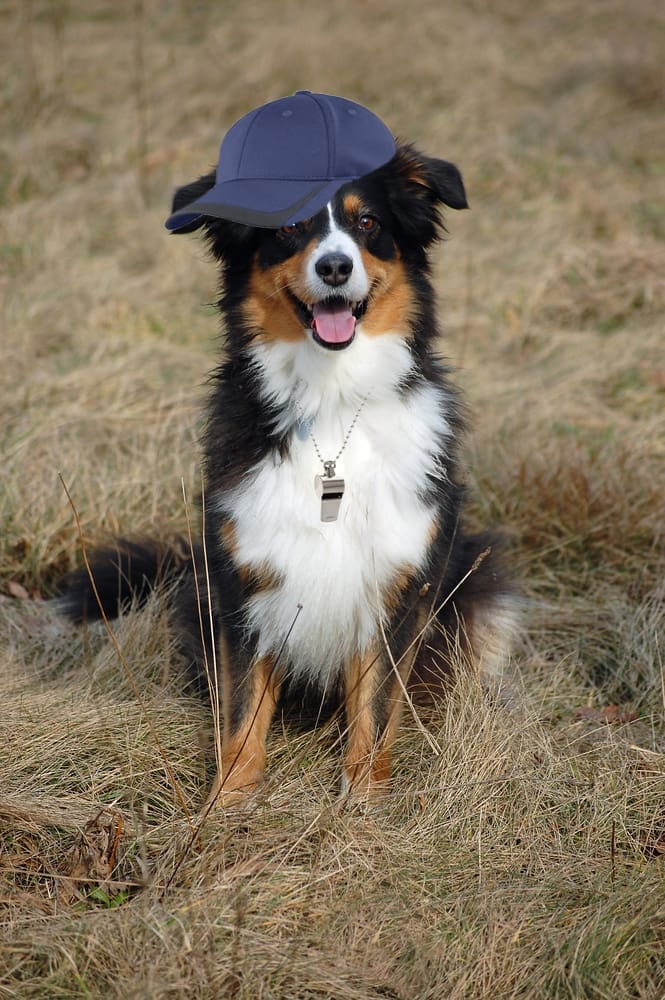
Employee discussions are often dreaded conversations so it’s easy to put them off. You have a business to run and tire of your role as referee in employee drama. We agree you should no longer be the referee, but rather the coach. Keep reading to learn how changing your role to coach makes employee discussions an energizing aspect of managing your business.
Think about the key role of a coach for a sports team. The coach…
- Keeps the team focused on a mutual goal – your business goals
- Creates the playbook and scheme used by all team members – policies & procedures
- Knows strengths of each team member – job descriptions
- Assigns team members to roles that takes advantage of their strengths – interview process
- Reinforces fundamentals – soft skills
- Teaches new techniques and strategy – technical skills & culture
- Provides feedback when team members lose focus or make mistakes – coaching sessions
- Inspires members to work together when challenged – ongoing leadership
- Celebrates achievements and victories as a team – reward & recognition
The responsibilities of the coach do align with creating teamwork in your business.
One key difference is the ongoing communication and feedback that a coach provides to individual team members. They do not wait until the championship game to observe play and offer input on performance (e.g., the formal employee appraisal and review process).
A coach is always watching to ensure small fundamental details are not missed and each team member knows the importance of their role in reaching their mutual goal. The best coaches know each member individually including their personal goals. They adjust their communication and rewards accordingly.
Approach employee discussions like a coach:
- Be prompt – open a dialog at first observation of behavior not in the playbook
- Use candor and care – frame negative feedback with a related positive aspect (e.g., You obviously care a lot about dogs as shown by the attention shown to each dog in the playgroup. That care is not translating to the safety of the group when you do not intervene when Rover bullys Fifi. Let’s talk about the tools you can use and the timing to interrupt bully behaviors.)
- Confirm
- Understanding of job description and procedures
- Appropriate training
- Capability to do the task
- Clarify your expectations – what doing the job right looks like
- Mutually agree on next action – employee takes responsibility to do what?
- Follow-up timely – praise changed behavior or move to next steps if inappropriate behavior continues
Consider the approach of the best coaches to lead your team to championship performance. Serve as their mentor and guide them in achieving their personal career goals. Make the game about them and how they achieve personal success by being on your team.
- Be curious – know each individual and their goals, likes and interests
- Look for opportunities – for staff to work in areas they like and apply their interests beyond their assigned job description
- Be honest – share your observations on their abilities and weaknesses
- Focus on skill development – training and ongoing learning opportunities
- Ongoing process – take advantage of daily short conversations to dialog on their career and look for tasks you can delegate to them
Pet service businesses require staff to care for the dogs. You can make the decision on whether your role is one of a referee or coach. We hope these tips help you see staff discussions and management in a new light. That your role as a coach to your team can be just as rewarding as taking great care of the dogs.