

What is the pet services business, and who are the top US providers?
The US pet services business covers grooming, daycare, training, boarding, and pet transport. It reached $13.2 billion in 2024, driven by steady growth in pet ownership and spending. Two verified US providers stand out for pet owners evaluating their options right now.
Here is what each provider offers at a glance:
- Pet Express: International and domestic pet transport, quarantine compliance, breed-restricted travel, exotic animal relocation
- Tyson Pet Services: General pet care services for local pet owners in Lake Forest, CA
| Provider | Services Offered | Specializations | Certifications and Memberships | Rating | Location and Availability |
|---|---|---|---|---|---|
| Pet Express | International transport, domestic transport, personalized travel quotes | International relocation, quarantine compliance, breed-restricted travel, exotic animals | IPATA, IATA member | 4.9★ (345 reviews) | US-wide and international |
| Tyson Pet Services | General pet care services | Local pet care | Verified local business | 4★ (4 reviews) | Lake Forest, CA |
How do Pet Express and Tyson Pet Services compare?
Pet Express is a family-owned operation with nearly 50 years in the pet transport industry. Its IPATA and IATA memberships signal adherence to the highest global standards for animal transport, including handling quarantine requirements for destinations like Australia and New Zealand. If you are relocating internationally or need to move a breed-restricted or exotic animal, Pet Express is the specialist you want.
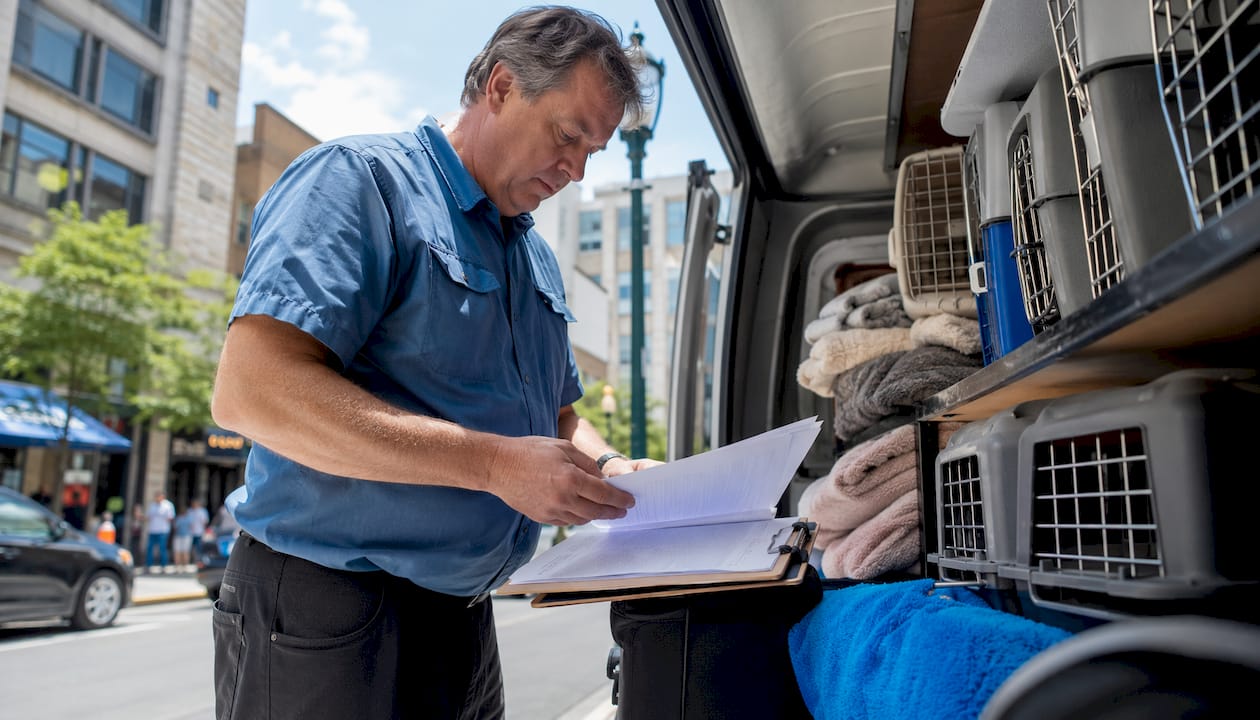
Tyson Pet Services is a verified local provider in Lake Forest, CA, suited to pet owners who need accessible, neighborhood-level care. Its profile is straightforward: general pet care with a verified local presence. For owners who want a familiar face nearby, it fills that role.
The two providers serve genuinely different needs. Pet Express handles complex, high-stakes transport across borders. Tyson Pet Services covers everyday local care. Choosing between them comes down to what your pet actually requires.
How do you choose a reliable pet services provider in the US?
Reliability in pet care comes down to a few concrete factors, not just star ratings.
- Certifications: Look for membership in organizations like the National Association of Professional Pet Sitters or the International Boarding and Pet Services Association (IBPSA). These signal commitment to industry best practices.
- Licensing and insurance: Confirm the provider holds a current business license and carries specialized pet care insurance covering pet injury and medical emergencies, not just general liability.
- Health and safety protocols: Ask directly about emergency vet authorization, vaccination requirements, and how incidents are handled.
- Pricing transparency: A trustworthy provider publishes clear rates or provides a written quote before any service begins.
- Reputation management: Check Google reviews, but also look at how the business responds to complaints. A provider that addresses problems publicly shows accountability.
Pro Tip: Always ask a provider to show proof of pet-specific liability coverage before booking. General business insurance often excludes animal injury claims, leaving you without recourse if something goes wrong.
Good online reputation management is also a strong signal. Providers who actively maintain their Google Business Profile and respond to reviews tend to run tighter operations overall.
What does it cost to start a pet services business?
Startup costs vary widely depending on the service type. A dog walking business can launch for under $2,000, while a dog daycare facility typically requires a commercial lease averaging $4,000 per month. A pet sitting operation can start for as little as $500 if you keep overhead low. A full grooming salon, by contrast, runs from a few thousand dollars for a home or mobile setup to tens of thousands for a physical location, once you account for equipment, renovation, and insurance.
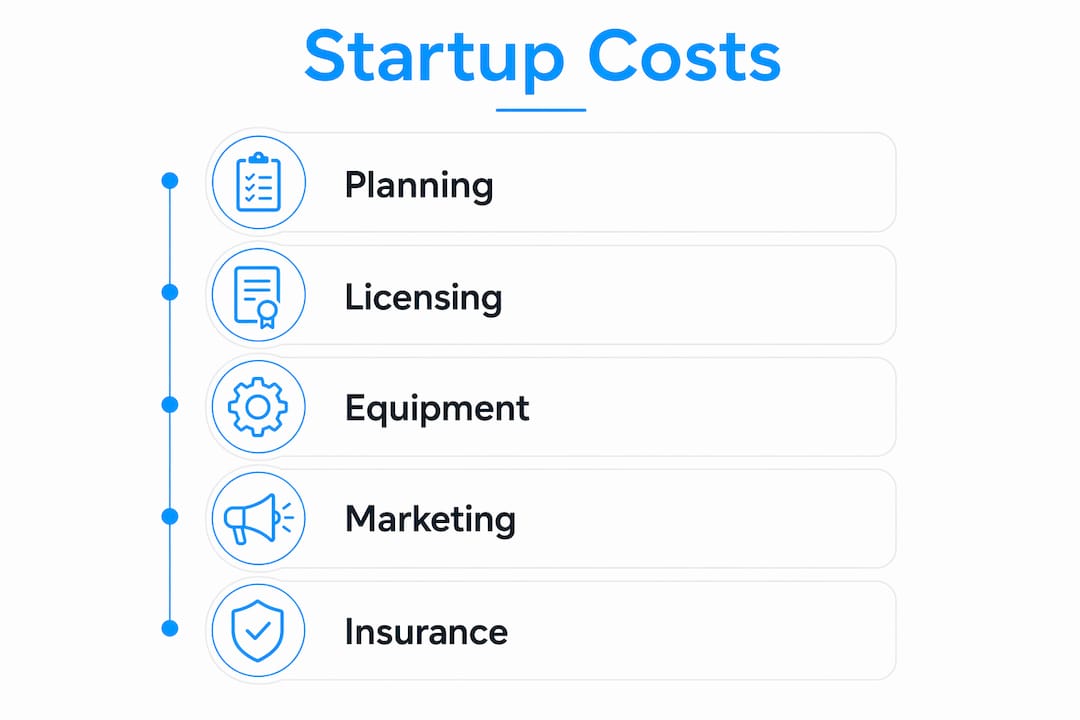
Building a budget for your pet care business before you spend a dollar is the move that separates businesses that survive year one from those that don’t. Know your fixed costs, your break-even point, and your pricing model before you open your doors.
What regulations and licenses do pet service businesses need in the US?
Pet care services are regulated primarily at the local and state level, not federally. That means your requirements depend on where you operate. Most jurisdictions require a general business license, and some add specific permits for animal care facilities covering maximum animal capacity, zoning, sanitation, and waste disposal.
Mobile groomers face additional rules around parking and gray-water disposal. Boarding and daycare facilities must meet occupancy and fire safety codes. Before you launch, check with your city and county offices directly. The IBPSA maintains resources on regulatory requirements that can help you identify what applies in your state.
How should pet service businesses handle customer complaints?
The fastest way to lose a client is to go silent after something goes wrong. Respond to every complaint within 24 hours, acknowledge the issue specifically, and offer a concrete resolution. Vague apologies without action rarely rebuild trust.
Build a written complaint process before you need it. Document incidents, follow up with the pet owner after resolution, and use the feedback to adjust your protocols. Providers who treat complaints as data rather than threats tend to retain clients at a much higher rate. Pair that with a consistent social media presence and you create a feedback loop that strengthens your reputation over time.
What insurance does a pet services business actually need?
General liability alone is not enough. A complete insurance package for pet service providers typically includes four types of coverage:
- General liability: Covers bodily injury, property damage, and medical expenses tied to your services
- Professional liability: Protects you if a client claims negligence or a service failure
- Pet protection (animal bailee): Covers claims if a pet in your care is lost, injured, or dies
- Veterinarian reimbursement: Covers emergency vet costs when a pet is injured while under your supervision
Skipping any of these leaves a real gap. A single incident involving an injured dog can generate costs that exceed an entire year of premiums. Treat specialized pet care insurance as a fixed operating cost, not an optional add-on.
Thedoggurus gives pet care business owners a proven growth platform
Running a pet care business is demanding. Thedoggurus is built specifically for owners who want to grow without burning out.
The platform combines expert-led courses, AI-powered operational tools, staff training modules, and one-on-one coaching in one place. Whether you run a grooming studio, a daycare, a boarding facility, or a pet sitting operation, Thedoggurus covers the skills that actually move the needle: off-leash play safety, team management, marketing for pet care, and profitability. The AI-powered learning platform works around your schedule, so you get the support you need without stepping away from your business. Visit Thedoggurus to see how it fits your operation.
Key Takeaways
The US pet services business is sizeable, and the providers who grow within it combine verified credentials, clear pricing, and strong customer service.
| Point | Details |
|---|---|
| Market size | The US non-medical pet services market reached $13.2 billion in 2024, with growth projected to continue. |
| Provider selection | Choose providers with verified certifications, specialized insurance, and transparent pricing. |
| Startup costs | Dog walking can launch under $2,000; daycare leases average $4,000 per month. |
| Insurance coverage | Full coverage requires four types: general liability, professional liability, animal bailee, and vet reimbursement. |
| Thedoggurus | An all-in-one platform for pet care business owners covering courses, coaching, AI tools, and staff training. |