Most pet businesses with employees are legally required to carry workers’ compensation, and even in the handful of states with exceptions, the bite, scratch, and lifting risks in this industry make it worth having anyway. If you have any employees, even part-time, check your state’s coverage threshold today or get a quote from a pet-business-savvy insurer.
TL;DR:
- Most pet businesses with employees must have workers’ compensation coverage, even if some states have exemptions based on size or seasonality.
- Injuries commonly covered include animal bites, slips, lifting strains, and repetitive motions, with auto accidents potentially requiring separate auto insurance.
- Coverage requirements can trigger with just one part-time employee in certain states, making compliance essential regardless of business size.
- Premium costs depend on payroll, job classification risks, and claims history, with proactive safety training and operational controls helping reduce expenses.
- Failing to carry workers’ comp can lead to fines, shutdowns, legal liabilities, and costly retroactive audits, emphasizing the importance of proper insurance and safety measures.
Table of Contents
- What Is Workers’ Compensation for Pet Businesses?
- Which States Require Workers’ Comp for Pet Businesses?
- What Does a Pet Business Policy Actually Cover?
- Who Actually Needs Coverage on Your Team?
- What Drives Your Workers’ Comp Premium?
- How Do You Get a Policy Bound?
- Reducing Claims Through Training and Operations
- What Happens if You Skip Coverage?
- A Publisher’s View on Compliance and Culture
- Reduce Risk With Training Built for Pet Care Teams
- Sources
What Is Workers’ Compensation for Pet Businesses?
Workers’ compensation is no-fault insurance that pays employee medical bills, lost wages, and disability or death benefits after a work injury, regardless of who caused it. The Office of Workers’ Compensation Programs at the U.S. Department of Labor outlines these core protections at the federal level, and every state runs a parallel system for private employers.
Coverage typically includes:
- Medical treatment for the injury or illness
- Wage replacement while an employee recovers
- Temporary or permanent disability payments
- Vocational rehabilitation
- Death benefits for dependents
Here’s the trade-off that makes this system work: once an injured employee accepts benefits, they generally give up the right to sue you for negligence. Insurance professionals call this the “exclusive remedy” rule, and it’s the reason smart owners view workers’ comp as protection for the business, not just the employee. Work-relatedness in pet care usually gets determined by asking a simple question: was the employee performing a job duty, like walking a dog or restraining one for nail trims, when the injury happened?
Which States Require Workers’ Comp for Pet Businesses?
Coverage rules are set state by state, and the differences catch a lot of first-time employers off guard. Some states require coverage the moment you hire your first employee. Others set thresholds at three, four, or five employees, and a few carve out exceptions for very small or seasonal operations. A handful of states also run their own state insurance funds, or require you to buy through approved channels rather than the open market.
Because the rules shift so often, industry guidance consistently tells pet business owners to verify directly with their state’s insurance or labor department rather than relying on general advice. Before you check or apply, gather:
- Your Federal Employer Identification Number (FEIN)
- Estimated annual payroll by employee
- Job descriptions for each role (groomer, kennel attendant, dog walker, receptionist)
- Records of any prior claims or coverage
- Your business entity type and formation date
A single part-time hire can trigger the requirement in some states, so don’t assume your small headcount exempts you.
What Does a Pet Business Policy Actually Cover?
Pet care ranks among the more physically demanding service industries, and claims reflect that. Common compensable injuries include:
- Animal bites and scratches during grooming, handling, or play group supervision
- Slips and falls on wet kennel floors or during bath time
- Lifting and back injuries from carrying large dogs or heavy equipment
- Repetitive strain in groomers’ wrists and shoulders
- Occupational illnesses like skin reactions to grooming chemicals
Typical exclusions include intentional acts, injuries unrelated to job duties, and employment practices claims like discrimination or harassment, which fall under a different policy type entirely. Auto accidents get tricky: if an employee is injured driving between jobs, that claim may fall under your commercial auto policy instead of workers’ comp, depending on how the vehicle is owned and used. For mobile groomers and dog walkers, this overlap matters enough to review with your agent directly, and a business auto policy built for commercial use closes gaps that a personal auto policy leaves open.
Pro Tip: Ask your carrier in writing how they’d handle a mobile employee injured between client visits. Get the answer before you need it, not after a claim is denied.
Who Actually Needs Coverage on Your Team?
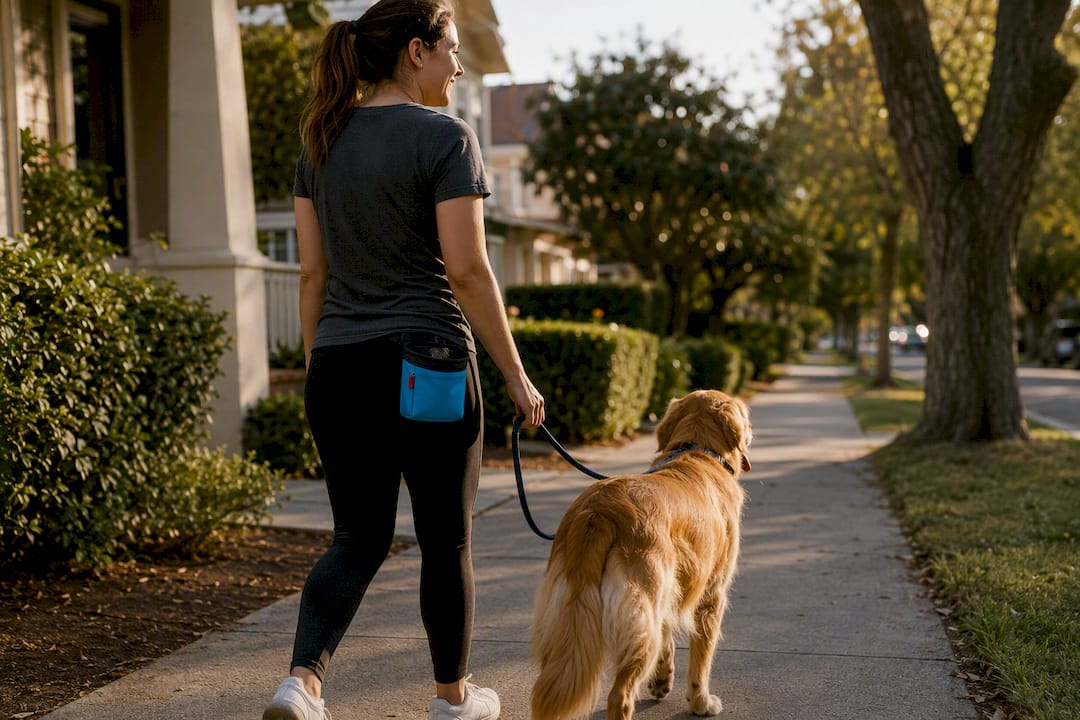
Any employee whose job puts them near animals, equipment, or clients on your payroll generally needs to be covered. That includes:
- Groomers and bathers
- Kennel and daycare attendants
- Front-desk and administrative staff on payroll
- Mobile dog walkers and pet sitters classified as employees
The independent contractor question trips up more pet businesses than almost any other compliance issue. Insurance industry analysis notes that many dog walkers and mobile groomers start as 1099 contractors, but if you control their schedule, provide equipment, or dictate how the work gets done, a state audit may reclassify them as employees retroactively, along with back premiums and penalties. Some states also let owner-operators elect coverage for themselves voluntarily, which is worth considering if you’re the one doing the lifting and handling every day.
What Drives Your Workers’ Comp Premium?
Premiums are calculated primarily from two numbers: your payroll and your classification code. Riskier job classifications, like grooming or kennel work, cost more per $100 of payroll than a desk job does, because insurers price to the actual injury frequency in that role.
Your experience modifier, or X-mod, adjusts that base rate up or down based on your claims history. File a lot of claims, and your X-mod climbs, raising premiums for years afterward. Stay claim-free, and it can work in your favor.
Some insurer resources cite median annual premiums in the neighborhood of $1,200 to $1,300 for small pet businesses, but that figure swings widely by state, payroll size, and claims history, so treat it as a rough anchor rather than a quote.
Ways to control costs:
- Separate high-risk duties (grooming, handling) from low-risk clerical roles in your job descriptions
- Run documented safety training regularly
- Keep accurate payroll records by classification
- Report claims quickly and accurately to avoid disputes that drag on and inflate costs
How Do You Get a Policy Bound?
- Pull together your FEIN, estimated payroll by role, detailed job descriptions, and any prior loss history.
- Decide where to shop: your state fund (if one exists and applies to you), a specialty pet-industry broker, or an independent agent who writes multiple carriers.
- Compare quotes on classification codes used, the audit process at policy renewal, deductible structure, and the carrier’s reputation for handling claims fairly.
State funds often work well for very small operations with straightforward payroll. Specialty pet-insurance brokers tend to understand your classification codes better and can flag misclassification risks before an audit does. Independent agents give you comparison shopping across carriers, but you’ll want to verify pet-industry experience specifically.
Pro Tip: Ask any agent how many pet care clients they currently insure. An agent who mostly writes retail or restaurant policies may misclassify your groomers and cost you money at audit time.
Reducing Claims Through Training and Operations
Insurance is only half the equation. The other half is preventing the injury in the first place, and that starts with documented training. Staff need real instruction on animal handling, reading stress signals before a bite happens, and body mechanics for lifting, not a one-time orientation video.
Operational controls matter just as much:
- Written incident-reporting workflows so nothing gets logged informally or forgotten
- Required personal protective equipment for bathing and handling
- Cleaning and floor-traction protocols to cut slip risk
- Scheduling that avoids fatigue during long shifts, since tired staff make more handling mistakes
OSHA’s ergonomics guidance specifically addresses the repetitive-motion injuries common in grooming, and applying it can measurably reduce strain claims over time. Clear training records also help during audits and can improve your experience modifier over time, since insurers view documented programs as lower risk. A structured staff training program and a working incident-reporting workflow both give you the paper trail that underwriters want to see.
What Happens if You Skip Coverage?
Skipping required coverage exposes you to more than a slap on the wrist. Consequences typically include:
- State fines that accumulate daily until you’re compliant
- Stop-work orders that shut down operations entirely
- Criminal penalties in cases of willful noncompliance
- Full civil liability exposure, since you lose exclusive remedy protection without valid coverage
- Back-premium audits, where the state or carrier calculates what you owed retroactively, plus penalties
None of these outcomes are quick or cheap to resolve once triggered.
A Publisher’s View on Compliance and Culture
Workers’ comp is not a paperwork chore to Thedoggurus. It’s one leg of a three-legged stool: training, documentation, and the right policy. Skip any leg, and both your margins and your team’s trust in you take the hit.
— Oliver
Reduce Risk With Training Built for Pet Care Teams
Some pet business owners find value in training and documentation systems that help keep claims from happening in the first place, supplementing standalone insurance policies. Where a policy pays out after an injury, our staff training and onboarding products build the safe-handling habits, incident-reporting discipline, and documented protocols that insurers actually reward at renewal.
Pair a staff training program with clear group play safety standards and you’re covering the operational side while your insurance covers the financial side. If you’re ready to see how structured onboarding and documentation could tighten up your risk profile, explore the staff products lineup and start a trial to see what fits your team.
Sources
Before requesting quotes, confirm your obligations directly with your state’s OWCP resources, review OSHA’s ergonomics standards, and pull your payroll records and job descriptions together. That paperwork is what turns a slow quote process into a fast one.
- Office of Workers’ Compensation Programs (OWCP) — U.S. Department of Labor
- Ergonomics — Occupational Safety and Health Administration (OSHA)
- Pet Business workers compensation insurance — PetIndustryIns