

A small dog business is a pet care enterprise built around services or products tailored specifically for dogs, covering models like grooming, training, walking, and specialty retail. The pet care industry grows at 7%–9% annually, making it one of the most resilient small business sectors in the United States. That growth rate means demand is outpacing the number of qualified providers, which creates real opportunity for owners who plan carefully. Thedoggurus has worked with hundreds of pet care professionals and consistently finds that the owners who succeed combine genuine passion with solid business systems from day one.
What are the main types of small dog businesses and their startup costs?
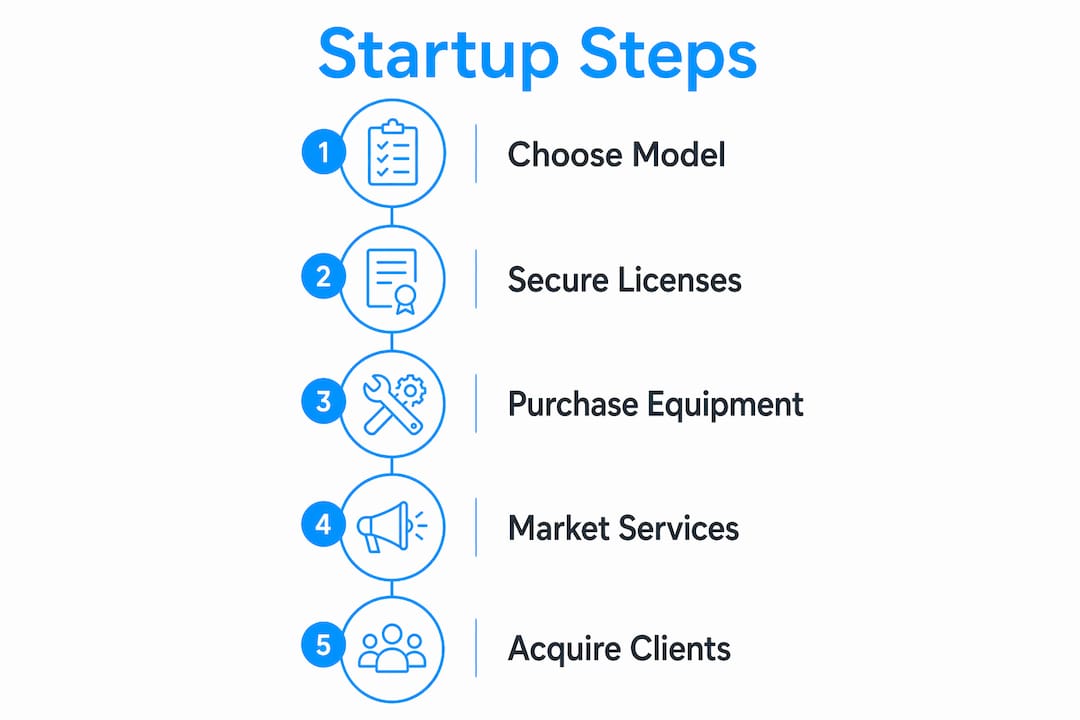
The four core business models in pet care services are dog walking, grooming, training, and specialty retail. Each carries a different startup cost, skill requirement, and income ceiling. Choosing the right model depends on your budget, your existing skills, and how much physical work you want to do daily.
Dog walking is the lowest barrier to entry. You need insurance, a business license, and basic equipment. Basic dog walking earns $15–$30 per session, which adds up quickly with a full client roster but caps out faster than specialist services.
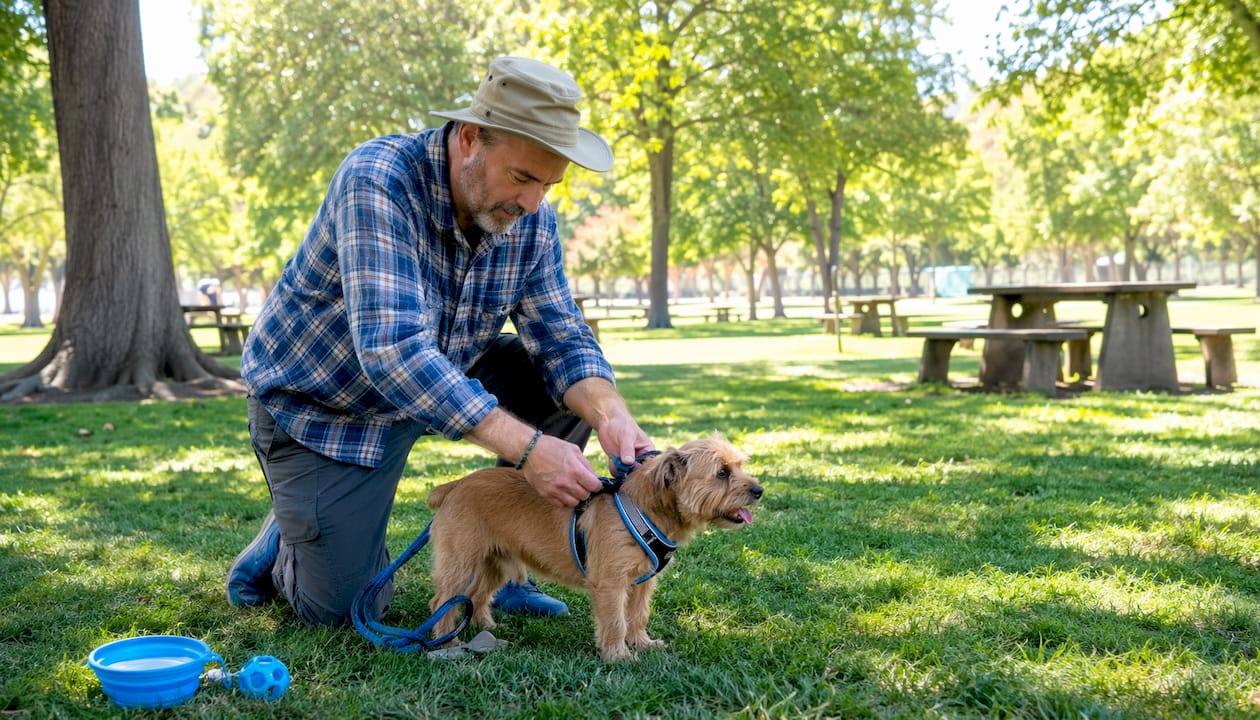
Grooming offers three distinct formats with very different cost profiles:
| Business model | Startup cost range | Key advantage | Main challenge |
|---|---|---|---|
| Home-based grooming | $5,000–$20,000 | Low overhead | Limited capacity |
| Mobile grooming | $30,000–$150,000 | Premium pricing, convenience | High vehicle costs |
| Brick-and-mortar salon | Up to $250,000 | Highest revenue ceiling | Lease and staffing complexity |
Startup costs for grooming vary widely based on format, and mobile grooming costs have risen alongside vehicle prices. A mobile grooming unit can generate strong returns, with monthly net margins near $11,745 on roughly $15,120 in revenue. That margin is achievable with efficient scheduling and route planning.
Small dog training commands $40–$150 per session because it requires certification, skill, and patience. Startup costs are low, but building credibility takes time. Certification through recognized bodies like the Certification Council for Professional Dog Trainers (CCPDT) signals professionalism and justifies premium rates.
Specialty retail covers products like harnesses, carriers, and breed-specific nutrition for small dogs. Margins depend heavily on sourcing and whether you sell online, in a physical location, or through your service business as an add-on.
Pro Tip: Start with the model that matches your current skills and budget, then add revenue streams as you grow. Trying to launch grooming and training simultaneously before you have systems in place is a common reason new owners burn out in year one.
How can small dog business owners attract and retain clients?
Client acquisition is the first real test of any pet care business. The owners who build full rosters fastest use a combination of local marketing and digital presence rather than relying on a single channel.
Strong local marketing, including neighborhood Facebook groups, Nextdoor posts, and referral programs, drives the fastest early growth. Word of mouth from a satisfied client in a tight-knit neighborhood is worth more than any paid ad in the first six months. Pair that with a clean Google Business Profile and you cover both the digital and local bases.
Top marketing channels for pet care businesses include:
- Google Business Profile for local search visibility
- Instagram and Facebook for before-and-after grooming photos and client testimonials
- Nextdoor and neighborhood Facebook groups for hyper-local referrals
- Referral programs that reward existing clients with discounts for sending new ones
- Local pet stores and veterinary offices as referral partners
A free initial consultation builds trust faster than any marketing copy. Clients handing over their dog to a new provider feel real anxiety. A no-cost meet-and-greet removes that barrier and dramatically increases the chance they book a paid appointment. This is standard practice among top-performing pet care providers.
Retention is where the real money lives. One-off clients are expensive to acquire. Recurring clients are the foundation of a stable business. Subscription packages and pet retention programs improve cash flow and reduce the constant pressure to find new customers. A monthly grooming package at a slight discount, for example, locks in revenue and keeps clients from shopping around.
Pro Tip: Personalization is your biggest advantage over large pet care chains. Remember a dog’s name, their quirks, and their owner’s preferences. That level of care creates loyalty that no discount can buy.
What operational challenges do small dog businesses face?
Running a pet care business involves far more administrative work than most new owners expect. Administrative tasks can consume up to 50% of daily time, covering scheduling, billing, client communication, and record keeping. That is time not spent with dogs or growing the business. Adopting client management software early is one of the highest-return decisions you can make.
The operational challenges most owners face fall into four categories:
- Staffing: Recruiting and retaining quality employees is the top challenge in the industry. The labor market for skilled groomers and trainers is tight, and turnover is costly.
- Scheduling: Poor scheduling creates dead time between appointments, which kills profitability. For mobile services, route optimization is the difference between six appointments a day and four.
- Compliance: Business licenses, liability insurance, and local zoning rules vary by state and city. Getting these wrong creates legal exposure.
- Burnout: Solo operators who handle every task personally hit a ceiling fast. Without systems, growth means more hours, not more income.
Building a strong company culture is the most underrated solution to the staffing problem. Owners who onboard staff well and invest in their team’s development retain employees longer and attract better candidates through reputation. Standardized operations, written procedures, and clear expectations make your business a place professionals want to work.
The “partner in care” philosophy is worth adopting early. When you position your business as a genuine partner in a pet’s health and happiness, rather than a transactional service, clients pay more and stay longer. That positioning also attracts staff who care about animals, not just a paycheck.
How do you scale a small dog business for long-term growth?
Scaling a pet care business means moving beyond the owner-operator model. Businesses with written plans grow 30% faster than those without one. A written plan forces you to define your revenue targets, staffing model, and service mix before you need them. That clarity makes every hiring and investment decision easier.
The most practical scaling paths for pet care businesses include:
| Growth strategy | Revenue potential | What it requires |
|---|---|---|
| Add a second grooming van | Multiplies mobile revenue | Capital, a trained groomer, route planning |
| Subcontract dog walkers | Scales without fixed labor costs | Contracts, insurance, quality control |
| Sell retail products | Adds passive income per visit | Supplier relationships, display space |
| Online courses or training content | Income without physical presence | Expertise, recording setup, marketing |
| Subscription service packages | Predictable monthly revenue | Booking system, client communication |
Scaling requires moving beyond owner-operated models to systems and team management. That shift feels uncomfortable for owners who built their reputation on personal service. The key is documenting your standards before you hire, so every team member delivers the same experience you would. Thedoggurus covers this transition in depth through its grooming revenue growth resources.
The 2026 pet services market shows increasing demand from premium customer segments that are currently underserved. Owners who build systems now are positioned to capture that demand as it grows.
Pro Tip: Systematize before you hire. If you cannot explain your process in writing, a new employee cannot replicate it. Document everything first, then bring people in to follow the system.
Key Takeaways
A small dog business succeeds when owners combine the right business model with strong systems, consistent client retention, and a clear plan for growth.
| Point | Details |
|---|---|
| Choose the right model | Match your business format to your budget and skills before investing in equipment or marketing. |
| Invest in client retention | Subscription packages and personalized service build recurring revenue and reduce client turnover. |
| Tackle admin early | Adopt scheduling and billing software before administrative work consumes half your day. |
| Build systems before scaling | Document your operations and standards before hiring to maintain service quality as you grow. |
| Plan for growth in writing | Written business plans produce measurably faster growth than informal approaches. |
What I’ve learned after years in the pet care industry
Most new pet business owners underestimate how much the business side matters. They are great with dogs and assume that skill will carry them. It does not, at least not alone. The owners I have seen build genuinely profitable businesses all share one trait: they treat their operation like a real business from the first week, not after they hit a wall two years in.
Underpricing is the most common and most damaging mistake. Specialist services like grooming and training command $40–$150 per session for a reason. When you price below that range to attract clients, you attract the wrong clients and burn out trying to make the math work. Charge what your skill is worth, deliver exceptional service, and the right clients will stay.
The other thing I would tell every new owner: do not neglect your team. The staffing shortage in pet care is real, and the owners who recruit and retain great staff treat their employees like partners, not replaceable labor. That investment pays back in lower turnover, better client experiences, and a business that can actually run without you.
Technology is not optional anymore. Scheduling software, client management tools, and route optimization for mobile services are the difference between a business that grows and one that grinds. Adopt them early and you will wonder how anyone managed without them.
— Oliver
How Thedoggurus helps pet business owners grow
Running a pet care business is rewarding, but it comes with real complexity. Thedoggurus was built by people who have done exactly what you are doing, and the platform reflects that experience.
From expert-led courses on grooming revenue and staff management to AI-powered tools that act as a 24/7 business coach, Thedoggurus gives you the support structure that most solo owners never have. Whether you are just starting out or ready to scale past the owner-operator stage, the owner resources at Thedoggurus cover the full range of what you need. Visit Thedoggurus to see how the platform supports pet care professionals at every stage of growth.
FAQ
What does it cost to start a dog grooming business?
Home-based grooming startups cost $5,000–$20,000, mobile grooming runs $30,000–$150,000, and brick-and-mortar salons can reach $250,000. Your format choice is the single biggest driver of startup cost.
How much can a small dog business earn per year?
Solo groomers typically net $45,000–$85,000 annually, while brick-and-mortar grooming locations can exceed $350,000 in annual sales. Specialist services like training and mobile grooming earn 2–5 times more per hour than basic dog walking.
How do I get my first clients for a dog walking business?
Local marketing through neighborhood Facebook groups, Nextdoor, and referral programs produces the fastest early results. A free initial meet-and-greet removes the trust barrier and significantly increases first-booking conversion.
Do I need a business plan to start a pet care business?
Yes. Businesses with written plans grow 30% faster than those without one. A plan defines your pricing, target clients, and growth path before you face those decisions under pressure.
What is the biggest operational challenge for small dog businesses?
Recruiting and retaining quality staff is the top challenge industry-wide. Building a strong company culture, standardizing your operations, and investing in staff development are the most effective ways to address it.